

Themed workshops
Here, building serves a precise subject: a period, a planet, a neighbourhood, an industry. Pupils handle, try and understand by doing, on a theme the class is already working on.
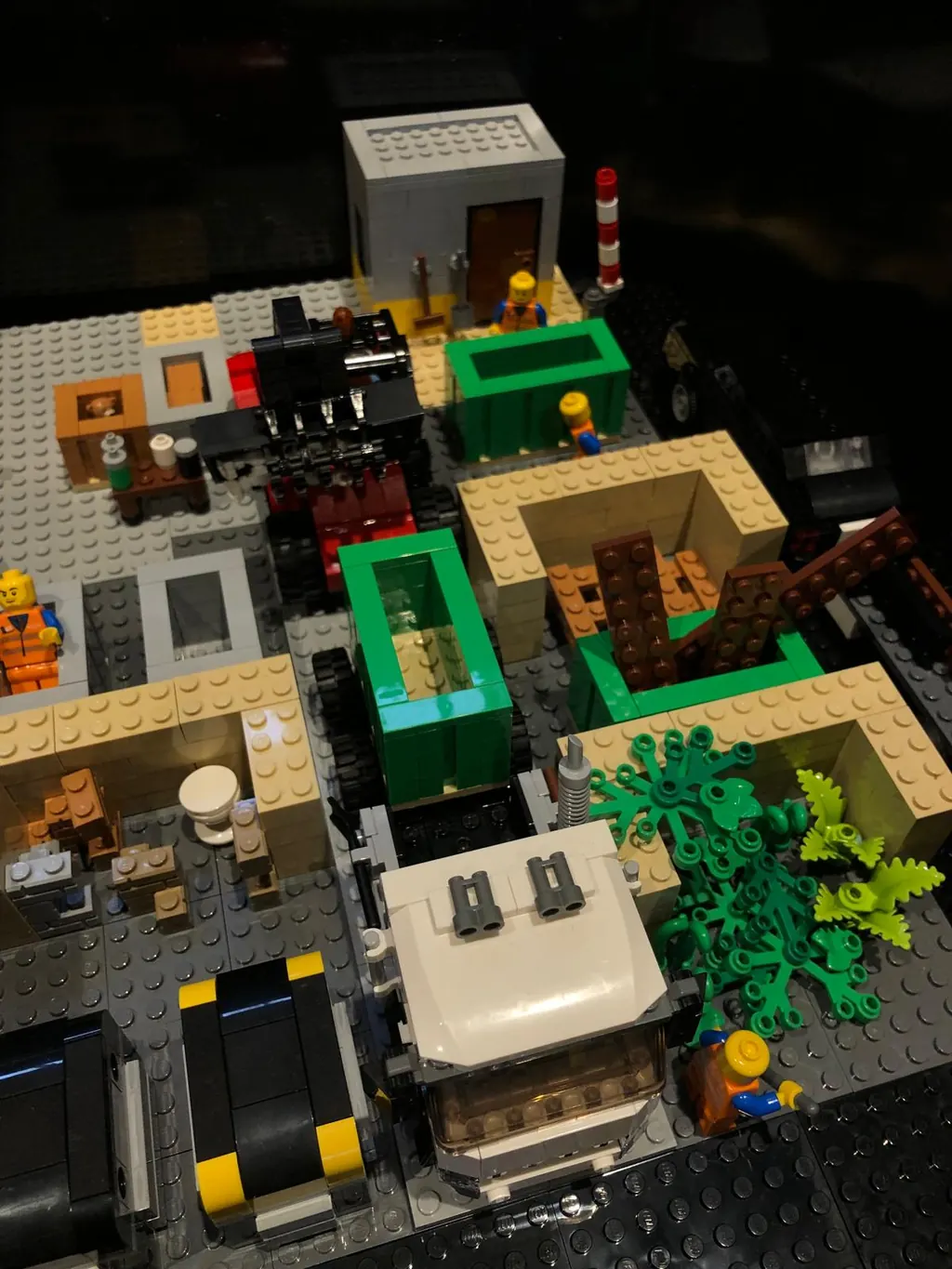
The theme sets the brief
The themed workshop offers a tangible way into a subject the class is already studying. The chosen theme guides what the children build and the constraints they have to respect: an old house does not have the same openings as a contemporary building, an orbiting station has no roof, a well-planned street is not laid out at random. Pupils search, try, start again, and grasp the rule by meeting it rather than by hearing it.
A brisk session, set to your curriculum
The session alternates short stretches: the facilitator sets the subject, the children build, the group looks at the results together, then a new constraint sets the work going again. The theme is chosen beforehand with the teacher or the coordinator, from what is already on the curriculum, and nothing is improvised on the day. What was built and named during the session stays available to the class, which can refer back to it long afterwards.
Unibrick has worked with…
a local authority wanting to open a particular subject with its young audiences. The model now travels from one school to the next, and pupils leave with a clear idea of the subject.
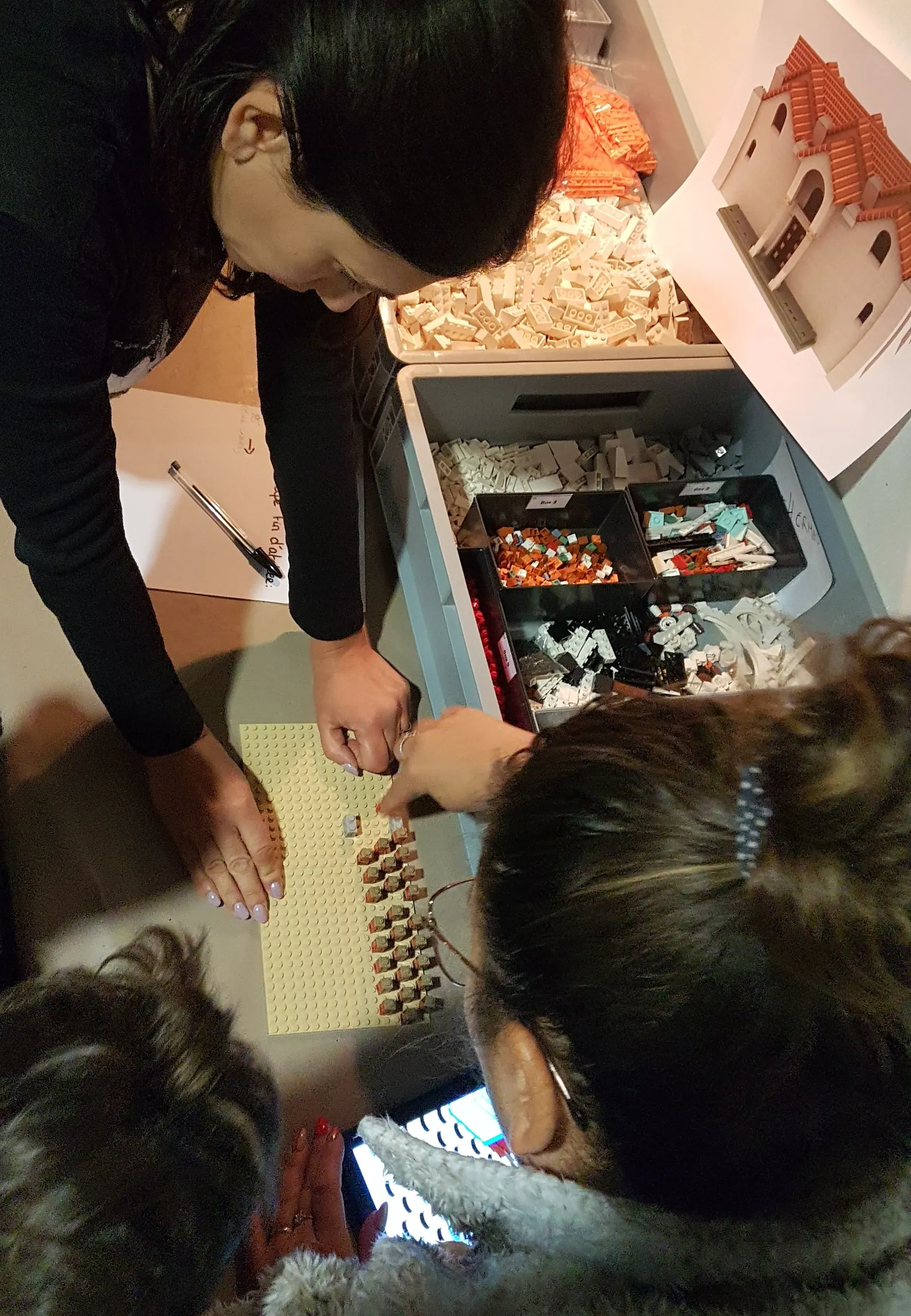
Themed workshops — At a glance
- Use
- Support for the school curriculum
- Indicative footprint
- One classroom
- Season
- All year round
- Format
- A single session or a series
- How it runs
- Supervised session
- Staffing
- Facilitators and materials provided
- Budget
- On request
- Requirements
- A quiet room with tables
- Duration
- 1½ to 2 hours
- Audience
- Primary and lower secondary
A theme, a year group: that is a starting point.
Tell us the subject, the age of the children and your time slot: we come back with the running order for the session and a quote.