

The energy of the group
A challenge creates an immediate shift: the room stands up, teams gather, and the mood changes within seconds. The clock sets the pace without putting anyone under pressure; each person takes part at their own level, looks for a solution, offers an idea. It is a brisk, cheerful interlude that puts everyone back on equal footing and revives a day when attention begins to drift.
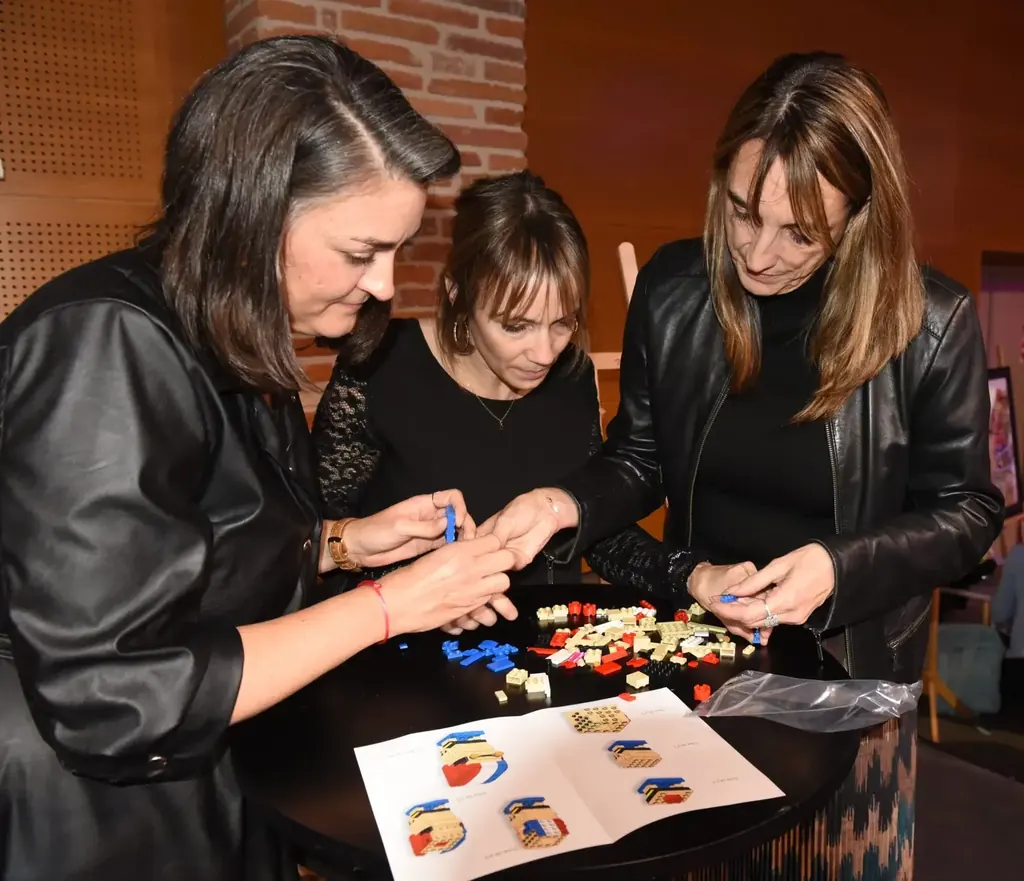
An interlude that wakes the room
The format rests on a simple idea: rules explained in thirty seconds, identical material for everyone, and a clear brief. People stand up, look, try, start again, and time passes without anyone noticing. A challenge puts a room back in motion, creates a shared moment, and builds an energy that never comes from staying seated.
What playing reveals
Around each table, roles sort themselves out: someone reads the plan, someone sorts, someone assembles. Colleagues who rarely cross paths discover a way of working together, without anyone having to arrange it. The final standings bring everyone together one last time, in a relaxed mood. People head off to the break with something to talk about, and often with the wish to do it again.
Unibrick has worked with…
a company looking to restart a convention after lunch. Carried along by the excitement of one round after another, the participants stayed fully engaged right through to the cocktail.
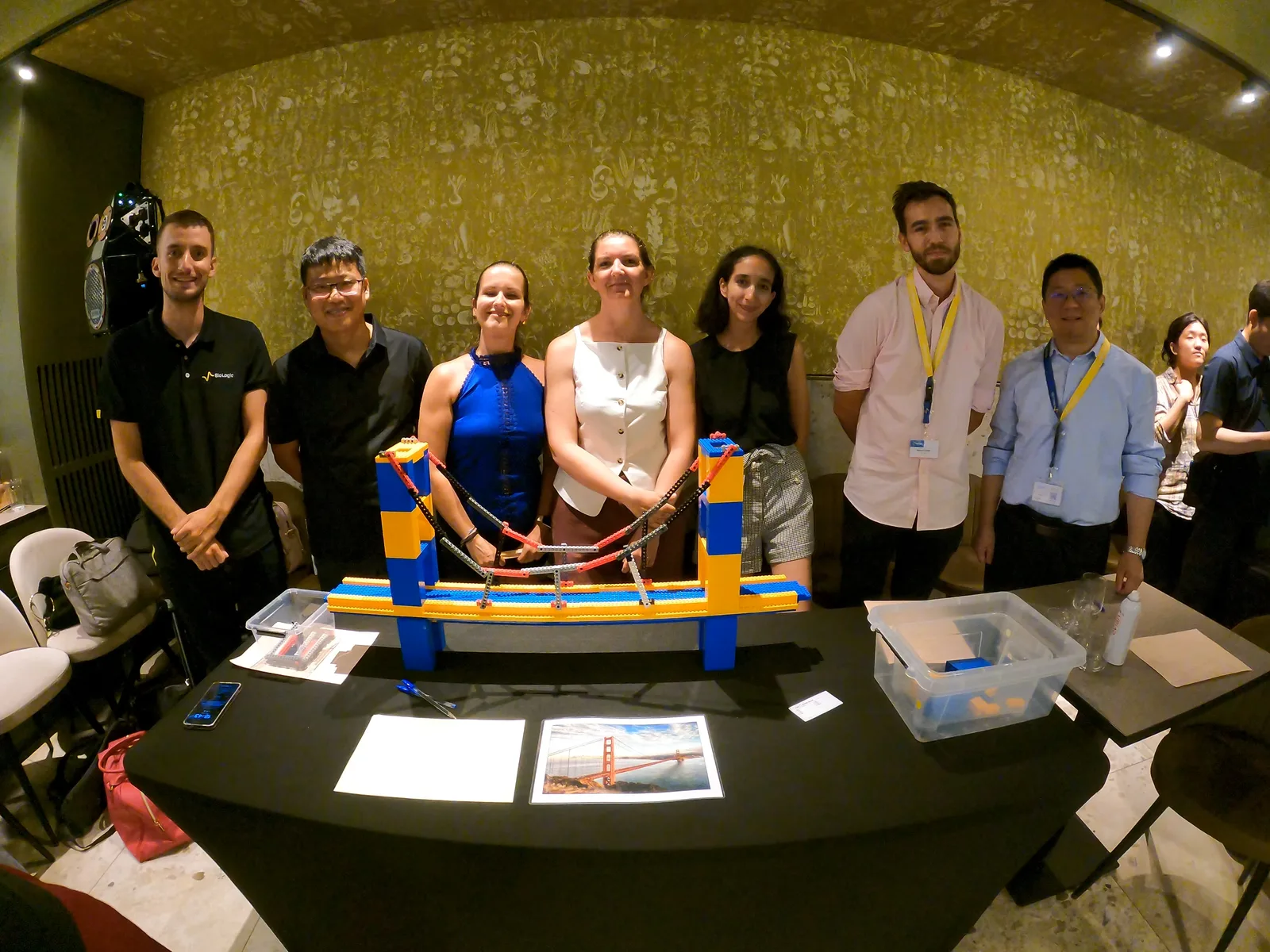
Build challenges — At a glance
- Item
- Content
- Use
- Offsites, team building, internal events
- Indicative footprint
- 20 to 50 m² depending on format
- Season
- All year round
- Format
- Collaborative challenge or speed build
- How it runs
- Brisk, participatory hosting
- Staffing
- Facilitators provided
- Budget
- On request
- Requirements
- Level floor, unloading access
- Duration
- To suit the event
A slot to fill in your programme?
Tell us your constraints of time and space: we set the number of rounds and send you a costed proposal.